Connecting Arizona’s health data — one standard at a time.
AzHeC is a neutral, vendor-neutral statewide council. We translate the standards behind connected care — HL7, FHIR, GS1 and UDI — into clear guidance the people who run Arizona’s hospitals, clinics, labs and pharmacies can actually use.
 Arizona
Explore by topic
Browse the full article library by subject.
HIPAA Compliance & Risk
Security Risk Assessments, HIPAA for small practices and breach basics.
BrowseConnected Devices & Remote Monitoring
How connected devices and RPM hardware feed data into EHRs and HIEs — the device-data bridge.
Browsee-Prescribing & Pharmacy Supply
Building on AzHeC's eRx initiative: e-prescribing, EPCS, pharmacy automation, and the pharmaceutical and dispensing-supply chain that e-prescribing workflows depend on.
BrowseEHR & HIE Onboarding
Selecting, implementing and connecting an EHR/EMR — cost, timeline and partner matching.
BrowseInteroperability Standards
Plain-language primers on the standards that make health data and device data flow.
BrowseMedical Billing & Revenue Cycle (RCM)
Outsourcing vs in-house billing, denials, KPIs and specialty billing.
BrowseNews
Announcements and the latest updates.
Read the newsCommunity Forum
Discuss with other readers.
Join the discussionOur programs
Four bodies of work, each starting from the published standard and working outward to what it means in practice.
 01
01The Network — Statewide HIE
How clinical data moves between hospitals, clinics, labs and pharmacies across Arizona — the connective tissue of connected care.
Explore the Network 02
02Interoperability Standards
HL7, FHIR, GS1 and UDI in plain language — the rules that make exchange trustworthy and devices, supplies and records agree.
Explore Standards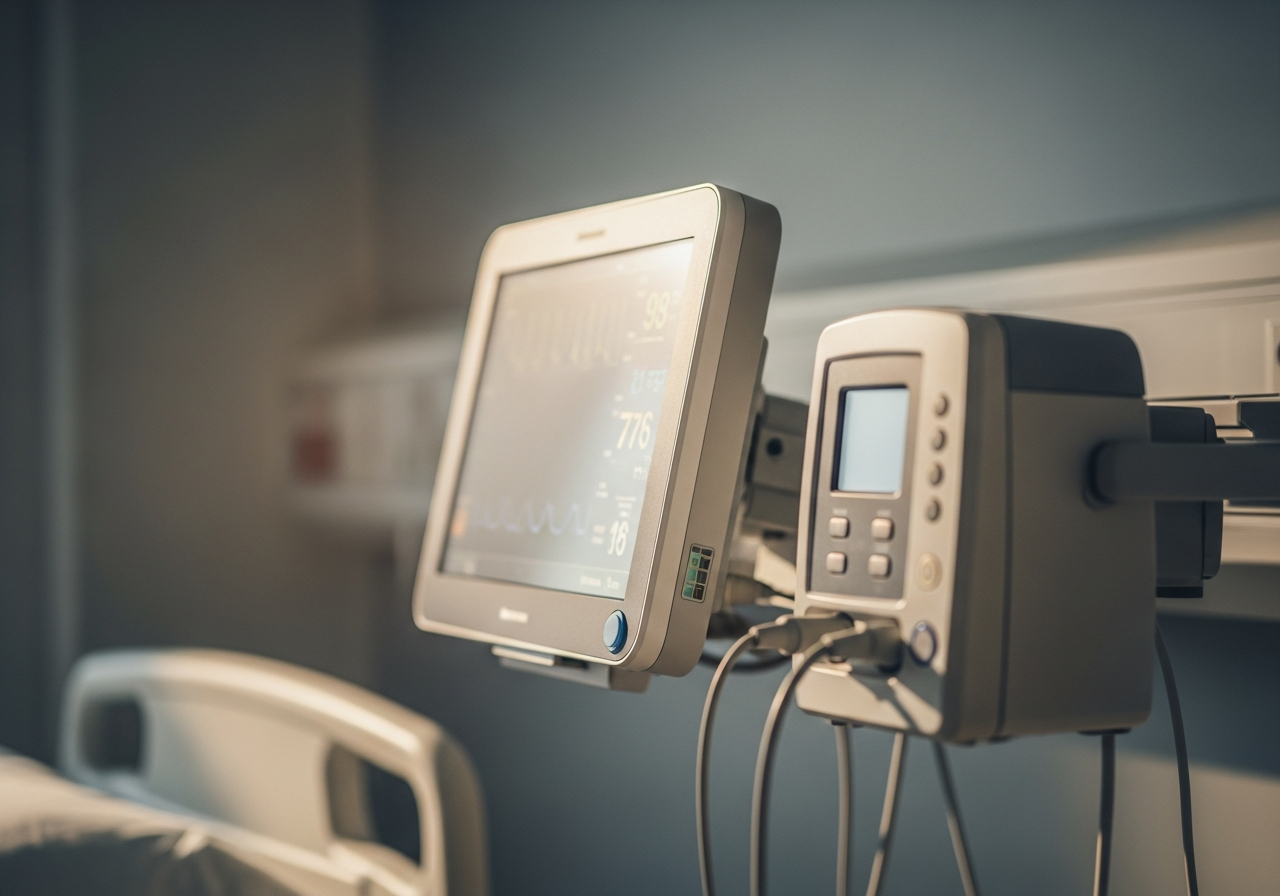 03
03Connected Devices
How smart and connected medical devices feed data into the record and the HIE — and the standards that make it work.
Explore Devices 04
04Pharmacy & Supply
From e-prescribing to the pharmaceutical supply chain — closing the loop on medications, dispensing and inventory.
Explore Pharmacy & SupplyWho we convene
A neutral table is only useful if everyone is at it. The council brings together the organizations that move Arizona’s health data.
Hospitals & Health Systems
Care continuity, transitions of care and device integration.
Clinics & Providers
The longitudinal record, e-prescribing and results delivery.
Labs & Diagnostics
Electronic lab results (ELR) into the exchange.
Pharmacies
Medication history, e-prescribing and dispensing.
Payers
Exchange data for care coordination and quality.
State & Public-Health Agencies
Reporting, policy and the Health IT Roadmap.
Standards Bodies
HL7, GS1 and the published specifications themselves.
Patients & Caregivers
The people whose records — and consent — are at the centre.

New to interoperability? Begin with the standards.
Interoperability has a vocabulary — HL7, FHIR, GS1, UDI, EPCS — and it can sound impenetrable. It isn’t. Our plain-language primer explains what each standard does and where it fits, with no vendor spin.
It’s the doorway the rest of the site is built around: read it once and the programs, the Network and the glossary all make sense.
Healthcare technology only helps patients when it interoperates. Our work is to make the standards that enable interoperability understandable — and to keep the table neutral.— The Arizona Health Interoperability Council

Guidance accountable to the standard, not to a vendor.
We take no money from device or platform makers and recommend no single product. Every position starts from the published specification and stays accountable to it — so the guidance survives a vendor changing its roadmap.
Bring a question to the table.
Whether you run a ward, a lab, a pharmacy or a state program, the council is a neutral place to get oriented on interoperability.