Turning device data into care
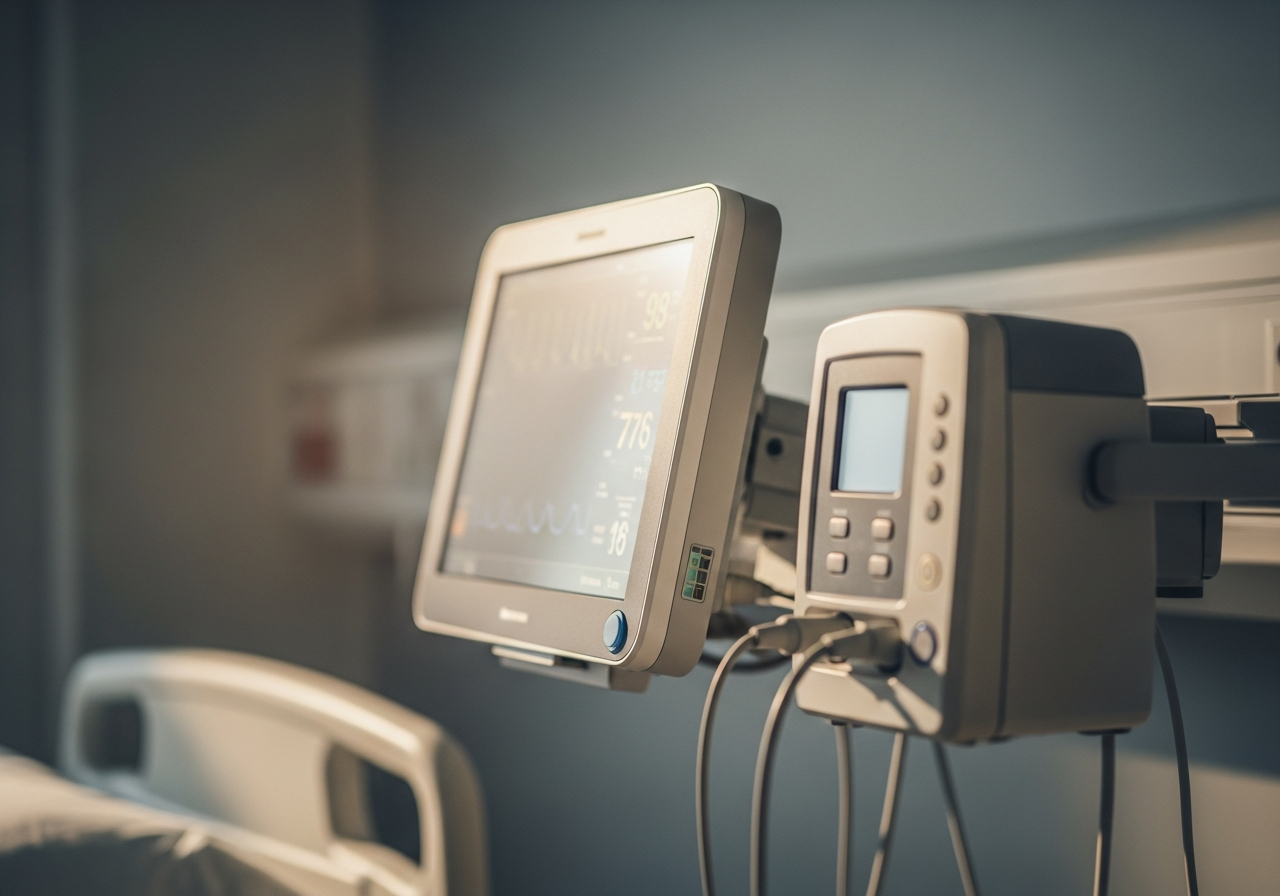
Monitors, infusion pumps, ventilators, wearables and remote-monitoring kits now generate clinical data continuously. This work area explains, in plain language, how that data reaches the electronic health record and the statewide exchange — and the standards that make it trustworthy.
 Arizona
A reading is only useful when it lands in the record correctly
A blood-pressure cuff, a bedside monitor and a home pulse oximeter all measure something real — but the value only helps a clinician if it arrives in the right patient's chart, in the right units, at the right time, identified clearly enough to act on. The gap between a device and a usable record is an interoperability problem, not a hardware one.
AzHeC approaches connected devices the same way it approaches every topic: vendor-neutral, standards-first. The pages below describe how device data is structured (HL7 v2 device messages, IEEE 11073 nomenclature, FHIR), how it is mapped to coded units (LOINC and UCUM), and how it travels from bedside or home into the EHR and Arizona's statewide HIE. This is educational infrastructure content — it explains how integration works, and does not recommend any product or brand.
The four topics in this work area
Start anywhere. Each page is a self-contained, plain-language explainer focused on how device data integrates — not on which device to buy.
 01
01Smart & Connected Medical Devices
How bedside and connected devices expose readings — HL7 v2 device messages, IEEE 11073 nomenclature and FHIR — and the integration patterns that move a value from device to record automatically.
Read more 02
02Remote Patient Monitoring Hardware
RPM as a data source: device categories, cellular versus Wi-Fi connectivity, data reliability, and how readings taken in the home reach a clinician's worklist.
Read more 03
03Device-to-EHR Data Integration
The mechanics: integration engines and middleware, mapping device data to LOINC and UCUM, validating before storing, and avoiding alarm and data overload.
Read more 04
04Telehealth Equipment Requirements
Telehealth equipment viewed as infrastructure: connectivity, peripherals such as digital stethoscopes and exam cameras, interoperability with the EHR, and reliability in the home.
Read moreHow a device reading becomes part of the record
Every connected-device integration, whether at the bedside or in a patient's home, follows the same broad path.
1. Capture
A device measures a parameter — a vital sign, an infusion rate, a weight — and represents it digitally, often using an IEEE 11073 nomenclature term to name what was measured.
2. Transmit
The reading leaves the device over a connectivity pathway — Bluetooth or USB locally, Wi-Fi, Ethernet or cellular remotely — and is carried as an HL7 v2 message or a FHIR resource.
3. Normalise
An integration engine matches the reading to the correct patient and encounter, maps the parameter to a LOINC code and validates its units with UCUM, rejecting anything it cannot resolve rather than storing a bad value.
4. Record & share
The validated observation is filed in the EHR flowsheet and, where appropriate, made available through the statewide HIE so the next provider sees a continuous picture.
Frequently asked questions
01Is this a guide to choosing medical devices?
No. AzHeC is a vendor-neutral convener in an authority-building phase. These pages explain how device data integrates with health records and the exchange; they do not evaluate, rank or recommend any product or manufacturer.
02What standards govern connected-device data?
The most common are HL7 v2 (the ORU result message and device-data profiles), IEEE 11073 for device nomenclature and communication, FHIR for modern API-based exchange, and LOINC with UCUM for coding observations and their units. Each is covered in more detail in the Standards work area.
03How does device data reach other providers in Arizona?
Once a reading is validated and filed in the source system, it can travel through Arizona's statewide health information exchange, "The Network", to other participating providers — the same connective infrastructure that moves lab results and clinical documents.
Questions about connected-device interoperability?
AzHeC convenes hospitals, clinics, labs, pharmacies, payers and state agencies around a neutral table to make connected care comprehensible. Reach the council with a question or to take part in the conversation.